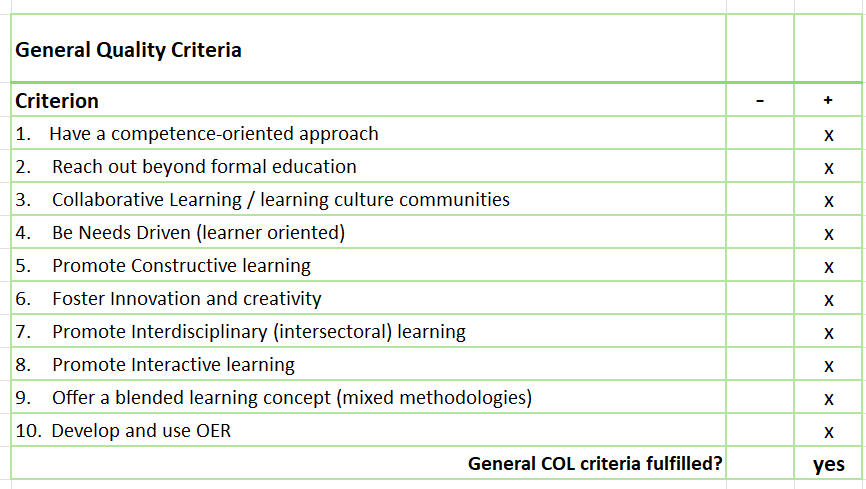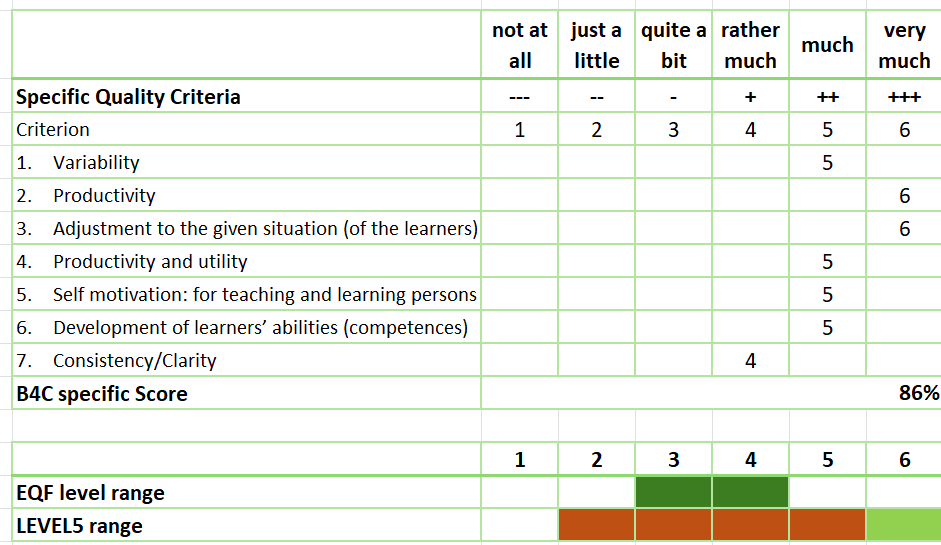

The course supports climate action through accessible, hands-on learning in gardens, community spaces and local sustainability initiatives. It encourages participants to recognise biomass as a valuable resource and to develop practical ideas for circular carbon action.
Relevant priorities include:
- Environment and fight against climate change
- Creating and promoting learning opportunities among all citizens and generations
- Common values and civic engagement & participation
- Promoting active citizenship
- Innovative learning and teaching practices
- Inclusion and Diversity
- Improving the competences of adult educators
- Strengthening employability
- Digitalisation
The course focuses on biochar production and application in local garden settings. It links practical biomass management with broader questions of climate protection, soil health and community development.
Main topics include:
- Garden waste, pruning residues and local biomass resources
- Circular Carbon Economy and local resource cycles
- Biochar fundamentals and low-tech pyrolysis
- Mini-Kon-Tiki kiln demonstration and safe handling
- Carbon sequestration and climate protection
- Soil fertility, nutrient retention and water retention
- Biochar activation with locally available organic resources
- Application of activated biochar in garden soils
- Biomass assessment and simple carbon potential estimation
- Stakeholder mapping and community-based scaling scenarios
The course is suitable for people who want to connect practical gardening, local climate action and circular economy learning. It can be adapted to adult education, civic initiatives, VET contexts and community development activities.
Potential participants include:
- Adult educators and VET teachers
- Sustainability trainers and project facilitators
- Allotment garden members and community gardeners
- Urban gardening initiatives
- Environmental NGOs and civic sustainability groups
- Municipal climate managers and local development actors
- Learners in environmental education, forestry, horticulture or sustainability
- Citizens interested in soil improvement, biomass reuse and practical climate action
After the course, participants will understand how local biomass can become a useful soil resource and climate-relevant carbon store through low-tech biochar production.
Participants will be able to:
- understand garden biomass as a renewable resource rather than waste;
- explain the basic principles of pyrolysis and biochar production;
- identify suitable garden biomass materials for low-tech biochar production;
- estimate biomass quantities and discuss simple carbon storage potentials;
- safely participate in a supervised mini-Kon-Tiki biochar demonstration;
- activate biochar with locally available organic resources;
- apply activated biochar to garden soil;
- reflect on the role of biochar for soil fertility, nutrient retention, water retention and climate protection;
- create a simple stakeholder map for a community-based biochar initiative;
- develop a first transfer idea for their own educational, civic or local sustainability context.
From Garden Waste to Biochar introduces participants to a practical, low-tech approach for transforming garden biomass into biochar. The course starts from a familiar challenge in allotment and community gardens: pruning residues, woody biomass and plant material are often composted slowly or treated as waste, although they can become a valuable resource for climate protection and soil improvement.
The methodology combines:
- short theoretical input;
- participatory discussion;
- biomass assessment;
- practical pyrolysis demonstration;
- biochar activation and soil application;
- stakeholder mapping;
- reflection and transfer planning.
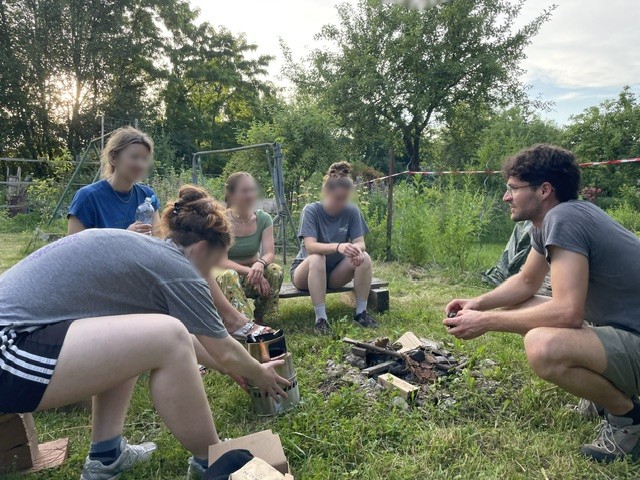
Participants identify local biomass streams, estimate their potential and learn the basic principles of pyrolysis and biochar production. In a supervised hands-on activity, they observe how biochar can be produced with a mini-Kon-Tiki kiln. They then activate the biochar with locally available organic resources, such as nettle tea, and discuss how it can be applied in garden soils.
The course follows a competence-oriented and learner-centred approach. Participants bring in their own gardening experience, explore a real local sustainability challenge and develop ideas for wider community use.
The course supports European priorities on climate action, sustainability, lifelong learning and active citizenship. Garden biomass, urban green spaces and community-based environmental action are relevant across Europe, especially in municipalities and civil society initiatives looking for accessible ways to involve citizens in climate mitigation and circular economy practices.
The European dimension is reflected through:
- transferable methods for adult education, VET and community learning;
- shared European challenges related to biomass use, soil health and climate adaptation;
- practical learning formats that can be adapted to different countries and local settings;
- support for active citizenship and community engagement;
- links between Circular Carbon Economy, green skills and local climate strategies;
- opportunities for participants from different countries to compare garden practices, biomass resources and community models;
- alignment with Erasmus+ priorities on sustainability, inclusion, innovation and lifelong learning.
The course can be delivered in multicultural and transnational learning settings. It encourages participants to exchange local experiences and develop small-scale biochar ideas that can be transferred to their own regions, communities or learning environments.