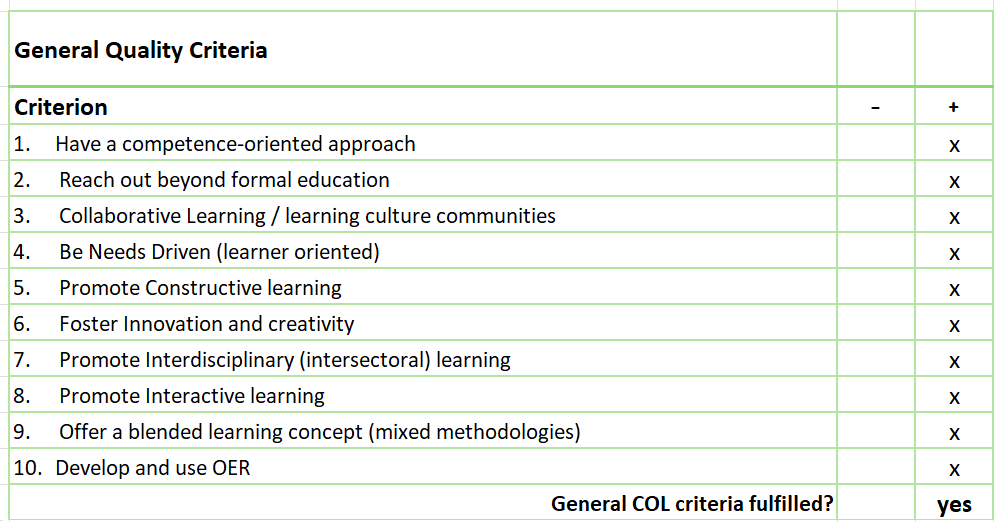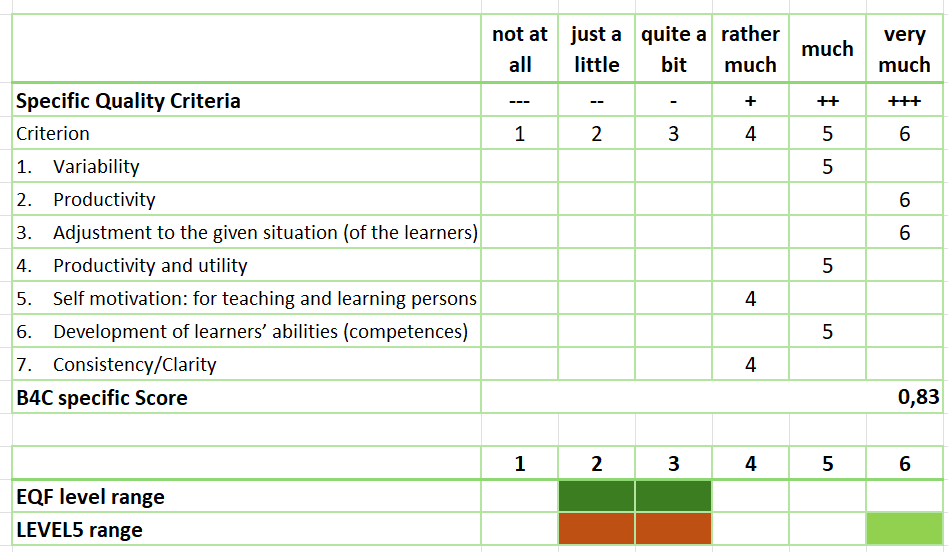

This course supports climate-conscious learning through accessible, hands-on activities in gardening and urban agriculture. It connects environmental education with practical skills, learner-led experimentation and community-based sustainability.
Relevant priorities include:
- Environment and fight against climate change
- Creating and promoting learning opportunities among all citizens and generations
- Innovative learning and teaching practices
- Improving the competences of adult educators
- Inclusion and Diversity
- Promoting active citizenship
- Common values and civic engagement & participation
- Strengthening employability
- Digitalisation
The course focuses on biochar as a practical soil amendment and as an entry point into the Circular Carbon Economy. Learners explore how everyday gardening can be connected to climate action, soil health and sustainable resource use.
Main topics include:
- Biochar production, properties and applications
- Soil health, structure and water retention
- Plant growth and visible plant health
- Carbon cycle and carbon sequestration
- Circular economy in urban agriculture
- Sustainable gardening and climate-smart horticulture
- Scientific observation and data collection
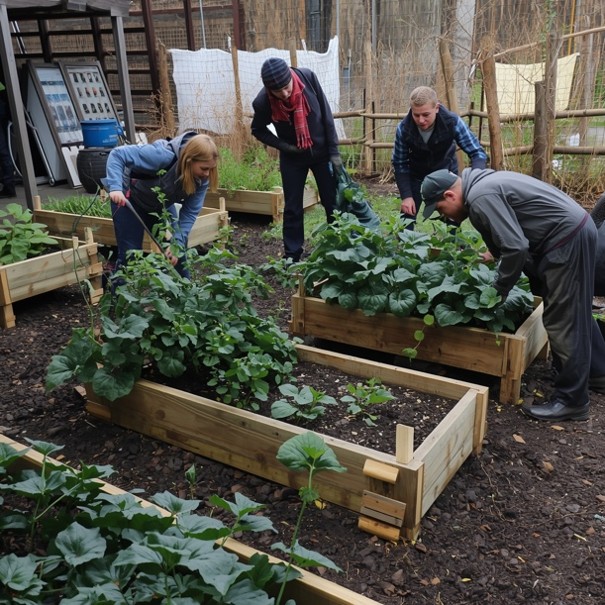
- Small-scale experimentation in gardens, planters or community plots
The course is suitable for people working in or around the construction sector, especially those interested in sustainable materials, green skills and circular building approaches.
Potential participants include:
- VET teachers and trainers in construction-related fields
- Adult educators and CPD providers
- Construction professionals
- Engineers, architects and technicians
- Masons and practical construction workers
- Sustainability managers and project developers
- Learners in construction, building materials or green skills training
- Organisations interested in low-carbon and circular construction
After completing the course, participants will understand how biochar can support soil health and how small-scale experiments can make sustainability topics visible and practical.
Participants will be able to:
- explain what biochar is and how it differs from compost or other organic soil amendments;
- describe how biochar can contribute to carbon storage and circular resource use;
- understand basic links between soil health, water retention, plant growth and climate adaptation;
- set up a simple comparison between biochar-amended and non-amended soil;
- collect basic data such as soil moisture, plant height and visible leaf health;
- interpret observations and compare results in a group setting;
- reflect on how biochar could be applied in home gardens, school gardens, rooftop planters or community plots;
- connect practical gardening activities with broader sustainability and climate goals.
Biochar Urban Garden Booster introduces participants to biochar through a practical micro-experiment in urban gardening. The course shows how biochar can be used to improve soil quality, support water retention and contribute to circular carbon practices in small-scale growing environments.
The methodology combines:
- short thematic input on biochar, soil and the carbon cycle;
- group discussion and hypothesis development;
- practical setup of biochar and control plots;
- learner-led observation and data collection;
- group comparison of results;
- reflection on urban gardening and sustainability.
Participants work with paired plots or planters: one with biochar-amended soil and one without biochar. Over several weeks, they observe soil moisture, plant growth and visible plant health. The collected data is then compared and discussed in groups.
The course follows a competence-oriented and learner-centred approach. It encourages curiosity, practical inquiry and evidence-based reflection. Instead of only learning about sustainability in theory, participants experience how a small garden experiment can open wider questions about soil, climate, circular economy and local action.
The course supports Erasmus+ priorities by promoting green skills, innovative learning and active citizenship. It addresses a shared European challenge: how citizens, learners and local communities can contribute to climate action through practical, accessible and nature-based solutions.
The European dimension is reflected through:
- transferability to different European urban gardening and VET contexts;
- relevance for community gardens, school gardens and local sustainability projects across Europe;
- support for climate education and circular economy learning;
- promotion of learner-led experimentation and practical green skills;
- potential use in Erasmus+ mobility, adult education and VET training formats;
- connection to European goals on climate action, sustainability and lifelong learning.
The course can be delivered in multicultural and transnational learning settings. Participants from different countries can compare soil conditions, urban gardening practices and local biomass resources, creating opportunities for exchange, cooperation and shared European learning.