The course contributes to several European priorities by linking sustainable construction, climate action and innovative vocational learning. It supports the development of green skills while encouraging learners and professionals to explore how the construction sector can become more circular and climate-conscious.
Relevant priorities include:
- Environment and fight against climate change
- Innovative learning and teaching practices
- Improving the competences of adult educators
- Strengthening employability
- Digitalisation
- Inclusion and Diversity
- Promoting active citizenship
- Common values and civic engagement & participation
- Creating and promoting learning opportunities among all citizens and generations
The course focuses on biochar as a carbon-storing material and explores how it can be used in sustainable construction. Participants are introduced to both the environmental background and the practical material-related questions.
Main topics include:
- Biochar and biomass transformation
- Circular Carbon Economy
- Carbon storage in construction materials
- Sustainable and low-carbon construction
- Biochar-based concrete
- Material properties and performance
- Sustainability-performance trade-offs
- Green skills in the construction sector
- Practical experimentation with innovative materials
The course is suitable for people working in or around the construction sector, especially those interested in sustainable materials, green skills and circular building approaches.
Potential participants include:
- VET teachers and trainers in construction-related fields
- Adult educators and CPD providers
- Construction professionals
- Engineers, architects and technicians
- Masons and practical construction workers
- Sustainability managers and project developers
- Learners in construction, building materials or green skills training
- Organisations interested in low-carbon and circular construction
After completing the course, participants will have a clearer understanding of how biochar can contribute to low-carbon construction and how carbon-storing materials can be explored in vocational or professional learning settings.
Participants will be able to:
- explain what biochar is and how it is produced;
- describe how biochar can contribute to carbon storage and climate mitigation;
- understand the relevance of circular construction and low-carbon materials;
- identify possible applications of biochar in concrete and building materials;
- reflect on technical benefits, limitations and performance trade-offs;
- take part in practical testing or discussion of biochar-based construction materials;
- connect sustainable material innovation with their own professional or educational context.
Building with Carbon-Storing Materials introduces participants to biochar as an innovative material for sustainable construction. The course explores how biochar can store carbon, reduce the environmental impact of building materials and support circular construction practices.
The methodology combines:
- short theoretical input;
- visual examples and case-based discussion;
- professional exchange;
- material observation;
- practical experimentation;
- reflection on real construction applications.
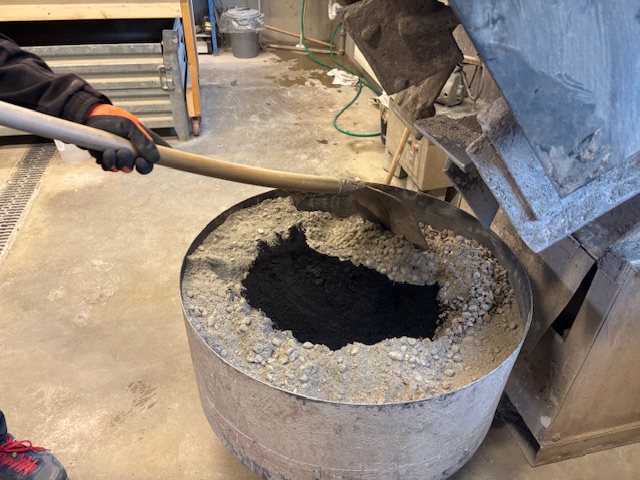
Depending on the participant group, the course may include demonstrations, concrete mixing exercises, prototype production and discussion of material behaviour. Participants are encouraged to ask questions, compare results and reflect on the balance between environmental benefits and technical performance.
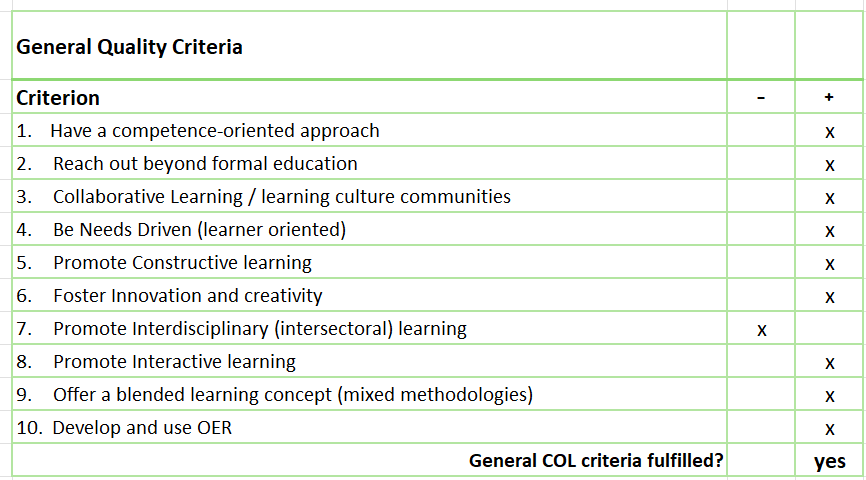
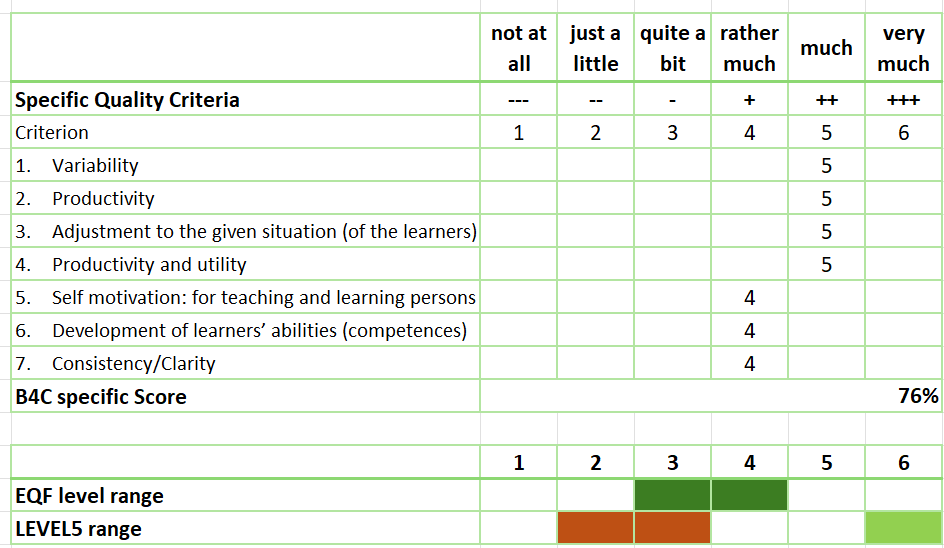
The course follows a competence-oriented and learner-centred approach. It connects technical knowledge with hands-on learning, green skills development and professional innovation in the construction sector.
The course supports the European Green Deal and the Erasmus+ priorities by promoting green skills, sustainability competences and innovative learning in vocational and adult education. It addresses a shared European challenge: reducing the carbon footprint of the construction sector while creating new learning opportunities for professionals and learners.
The European dimension is reflected through:
- transferable course content for different European VET contexts;
- relevance for construction sectors across different countries;
- support for green skills and employability;
- exchange between trainers, learners and professionals;
- alignment with circular economy and climate action goals;
- potential use in Erasmus+ mobility, CPD and transnational training settings.
The course can be implemented in multicultural and transnational learning environments. It encourages participants to compare national construction practices, exchange experiences and explore how circular carbon solutions can contribute to climate action and sustainable development across Europe.