Biochar for Competence development for the Circular Carbon eConomy

Biochar in Agriculture and Circular Carbon Economy (DEULA)
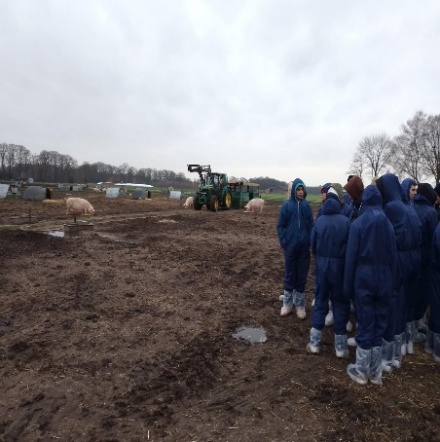

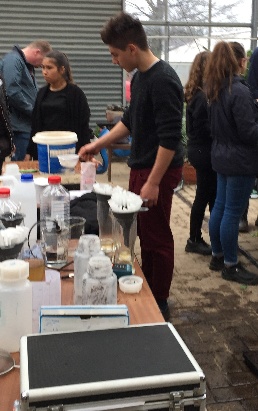
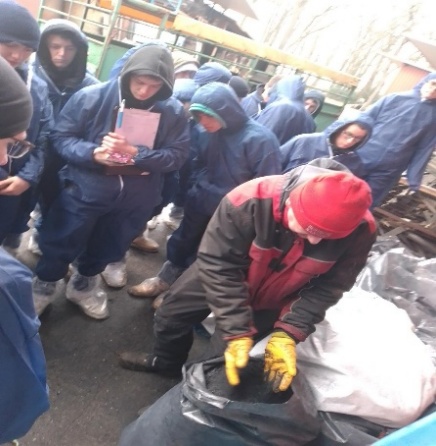

This learning activity introduced agricultural learners to biochar, carbon cycles and Circular Carbon Economy principles. Through practical examples, biochar samples and collaborative discussions, participants explored sustainable farming practices, resource efficiency and climate protection. The project strengthened understanding of how agriculture can contribute to more circular and resilient production systems.
- Challenge
- Approach
- Activities
- Results
- Impact
How can agriculture become more sustainable while protecting natural resources and contributing to climate protection?
This learning activity addressed this question by introducing learners to the concepts of Circular Carbon Economy and biochar within agricultural systems. The aim was to help participants understand current sustainability challenges in agriculture, including soil degradation, greenhouse gas emissions, nutrient losses, and inefficient resource use, while exploring practical approaches to addressing these issues.
The learning process combined introductory knowledge transfer, practical examples, and collaborative reflection.
To establish a common understanding, the course began with a short educational video introducing biochar, biomass resources, and sustainable agricultural systems. The video provided an accessible overview of biochar production, agricultural applications, and the links between farming practices and climate protection.
Building on this foundation, learners explored biomass resources, carbon cycles, and circular resource management within agricultural systems. Throughout the course, theoretical concepts were continuously connected to practical agricultural examples to ensure relevance to learners’ future professional contexts.
Participants explored key concepts related to Circular Carbon Economy and sustainable agriculture through a combination of presentations, demonstrations, discussions, and practical examples.
Key activities included:
- Viewing and discussing an introductory video on biochar and sustainable agriculture
- Exploring biomass resources and carbon cycles within agricultural systems
- Examining the production process and properties of biochar
- Analysing practical examples of biochar applications in agriculture
- Reflecting on the potential integration of biochar into farming practices
Practical examples discussed during the course included:
- Improving soil structure and water retention through biochar application
- Integrating biochar into composting systems
- Using biochar in nutrient management and slurry systems
- Enhancing carbon storage in agricultural soils
- Reducing nutrient losses and emissions through sustainable farming approaches
Participants also worked directly with biochar samples, allowing them to observe the material, analyse its characteristics, and discuss possible agricultural applications.
Collaborative reflection formed an important part of the learning process. Group discussions addressed questions such as:
- How can farms reduce emissions?
- How can agricultural waste streams become valuable resources?
- How can nutrient cycles become more sustainable?
- How can climate protection become part of everyday agricultural practice?
By the end of the course, participants had developed a stronger understanding of Circular Carbon Economy principles and the role of biochar within sustainable agricultural systems.
Key outcomes included:
- Improved understanding of biochar production, properties, and applications
- Increased awareness of sustainability challenges in agriculture
- Better understanding of biomass utilisation and circular resource management
- Greater awareness of opportunities for reducing emissions and nutrient losses
- Enhanced ability to connect climate protection objectives with agricultural practice
- Critical reflection on the future development of resource-efficient and climate-friendly farming systems
The learning activity demonstrated that combining visual learning materials, practical examples, and collaborative discussion can effectively support the understanding of complex sustainability concepts and encourage learners to explore innovative approaches for future agricultural practice.
The project introduced learners to the role of biochar in climate-friendly farming systems and sustainable soil management.
Estimated carbon handprint: Application of 5 tonnes biochar per hectare can result in long-term sequestration of approximately 15 tonnes CO₂e per hectare, while simultaneously improving agricultural productivity.
Co-benefits:
- Improved soil structure
- Enhanced water holding capacity
- Reduced nutrient losses
- Increased resilience to climate stress
Promotion of regenerative farming practices.